Tanzania: Women’s Empowerment At the Heart of Development
Dar es Salaam — ACCESS to education, finance, decent employment and leadership opportunities remains central to efforts to improve the lives of women and girls, as Tanzania steps up its commitment to inclusive development.
For women seeking to establish businesses, advance their careers or take part in decision-making, these opportunities can make a significant difference in their economic independence and ability to contribute to their communities.
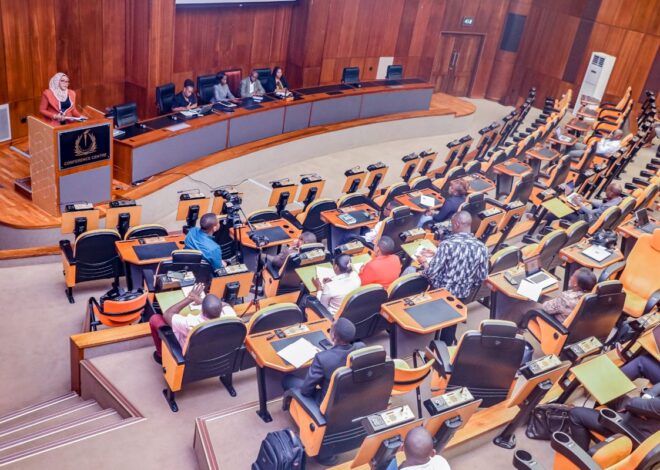
The need to expand such opportunities featured prominently during celebrations marking the 81st anniversary of the United Nations (UN), held in Dar es Salaam, where government and UN officials called for greater investment in women’s empowerment.
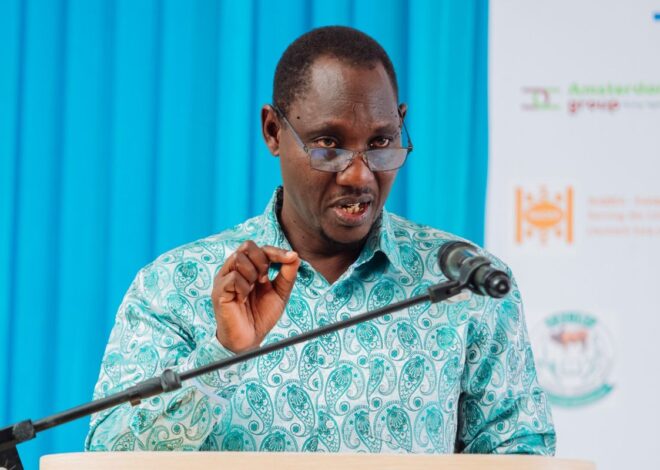
Minister for Constitutional and Legal Affairs Abdallah Ulega said empowering women was not only a matter of equality but also a strategic investment in Tanzania’s social and economic development.
Keep up with the latest headlines on WhatsApp | LinkedIn
“Women play a critical role in our families, our communities, our businesses and the digital economy,” he said, stressing the importance of creating opportunities for women to participate fully in the country’s transformation.
He said women and young people needed access to relevant skills, financial resources and opportunities to establish businesses and participate in decision-making.
For women entrepreneurs, access to finance can be an important step towards starting or expanding a business. Similarly, education and skills development can help women improve their employment prospects, while greater representation in leadership can strengthen their participation in decisions affecting their lives and communities.
However, expanding these opportunities requires sustained efforts to address the barriers that prevent women and girls from participating fully in social and economic life.
“We must continue to expand women’s access to education, skills development, productive resources, finance, decent employment and leadership opportunities. We must also strengthen efforts to remove barriers that prevent women and girls from fully participating in social, economic and public life,” Mr Ulega said.
He added that young people represented an important source of creativity, innovation and productivity, emphasising the need to equip them with the skills and opportunities to contribute to national development.
The government, he said, remained committed to advancing gender equality and building a prosperous, inclusive and competitive nation in line with Tanzania Development Vision 2050 (Dira 2050).
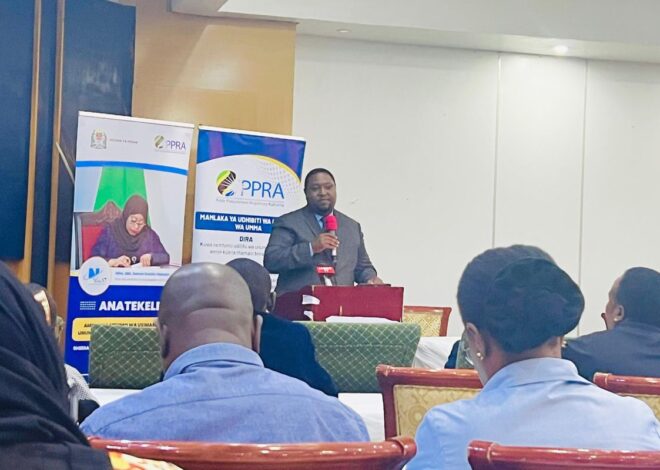
For her part, UN Resident Coordinator Susan Namondo said gender equality and the commitment to leave no one behind must remain central to development efforts.
She noted that women and girls, young people, persons with disabilities, older persons, refugees and people in underserved communities should be able to participate in development and share its benefits.
“This means listening to people, using data that makes inequalities visible and shaping policies and services around the real barriers that people face,” she said.
Ms Namondo stressed that development partnerships should be judged by the difference they make in people’s everyday lives, rather than simply by the number of activities undertaken.
For women and girls, this means looking beyond policy commitments to whether opportunities translate into meaningful improvements in access to education, employment, finance, entrepreneurship and leadership.

Sign up for free AllAfrica Newsletters
Get the latest in African news delivered straight to your inbox
She said the UN’s partnership with Tanzania was guided by the United Nations Sustainable Development Cooperation Framework 2022-2028, developed jointly with the government to align support with national priorities and the 2030 Agenda for Sustainable Development.
The framework focuses on four interconnected pillars: people, prosperity, planet and an enabling environment. These cover human development, economic opportunities, environmental protection and stronger institutions. Established on October 24, 1945, the UN has grown from 51 founding members to 193 member states.
Tanganyika, now Tanzania Mainland, joined the organisation in December 1961, shortly after independence. As the organisation marks its 81st anniversary in 2026, calls for greater investment in women and girls highlight the importance of ensuring that development priorities translate into opportunities that women can access and benefit from in their everyday lives.